
Warm Minimalism: Five Principles for Specifying Calm, Tactile Interiors
Minimalism is moving beyond visual restraint. For architects and designers, the opportunity lies in combining clear forms with tactile materials, softer geometry and durable finishes—creating interiors that feel human while continuing to perform commercially.
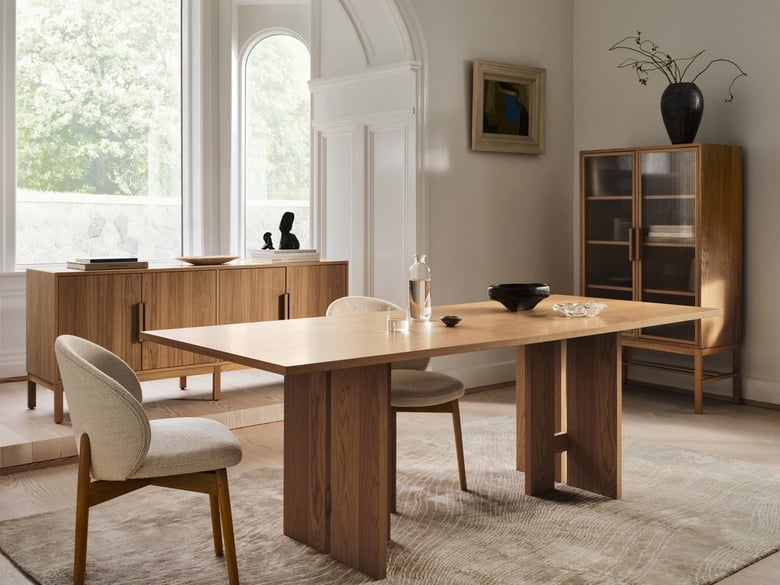
Axo collection
The problem with conventional minimalism was never simplicity. It was distance.
Immaculate interiors can still feel impersonal, particularly in residential and hospitality environments where people are expected to settle in, connect and stay.
Warm minimalism offers a more considered response. It retains the clarity and discipline of modern design while introducing natural materials, tactile surfaces and softer forms. The result is not simply a warmer-looking interior, but a scheme that feels more intuitive, enduring and appropriate for everyday use.
It's not only an aesthetic decision. In contract interiors, it can help create schemes that remain relevant for longer, accommodate changing styling requirements and provide a more welcoming experience without relying on short-lived decorative trends.
Why warmth matters
People connect with spaces emotionally long before they notice individual furniture pieces.
Natural timber, stone, textured fabrics and soft forms create an immediate sense of comfort, encouraging occupants to slow down and engage with their surroundings. As expectations continue to evolve across Build to Rent, hospitality and premium residential developments, these sensory qualities have become just as important as functionality.
Rather than relying on strong contrasts or decorative styling, warm minimalism builds atmosphere through thoughtful material choices. Every finish contributes to the overall experience, creating interiors that feel sophisticated without feeling cold.
For designers, it's a way of introducing personality while maintaining the simplicity and longevity that modern interiors demand.
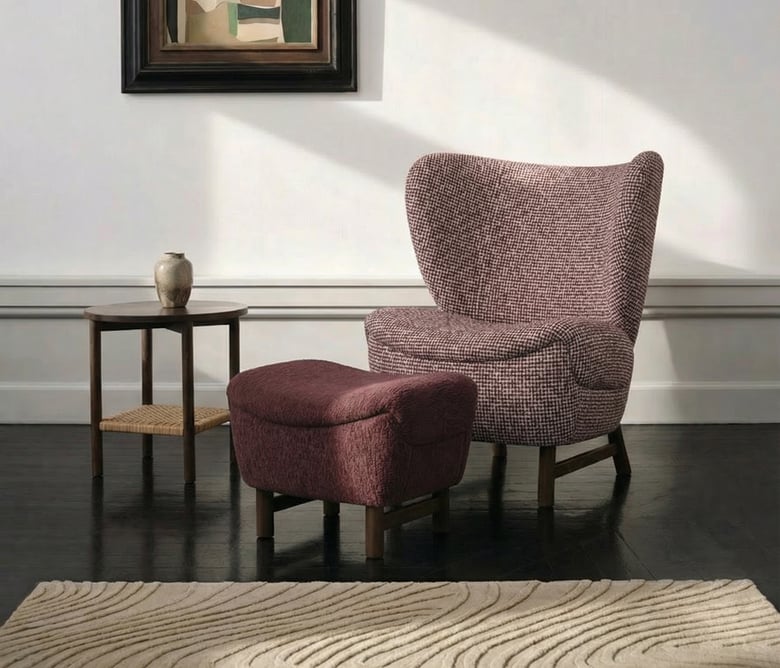 Catskills collection
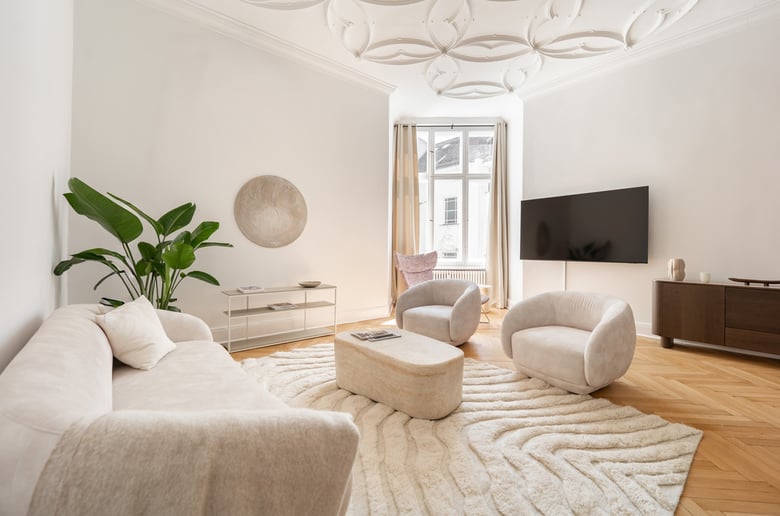
Tenitt Berlin project featuring the Bolzano collection and Terracina coffee table
Layering materials creates depth
One of the defining characteristics of warm minimalism is the way materials interact with one another.
Wood introduces warmth and authenticity. Stone brings permanence and quiet luxury. Soft upholstery adds comfort, while glass, ceramics and woven textures introduce subtle contrast without overwhelming the overall scheme.
Rather than competing for attention, each material complements the next, creating spaces that reveal more character the longer they're experienced.
For designers, warm minimalism begins with a carefully considered material palette. Rather than layering multiple similar finishes, designers can establish one dominant natural material, such as oak or stone, and introduce contrast through upholstery, metalwork and tactile surfaces. Deeper tones, structured fabrics and darker accents help prevent the scheme from feeling overly beige or residential, while rounded furniture forms, warm lighting and acoustic textiles soften the architecture without adding visual clutter.
In contract environments, these choices must also perform over time, so durability, maintenance, replaceable components and how each material will age should be considered from the outset. The result is a space that feels calm and inviting, while remaining practical, distinctive and commercially resilient.
Architectural forms with a softer edge
Contemporary furniture is increasingly balancing precision with comfort.
Clean silhouettes remain important, but they're now paired with rounded edges, tactile finishes and organic forms that soften architectural spaces.
Our latest collections reflect this shift perfectly.
The Axo dining collection, designed in collaboration with atelier axo, celebrates architectural simplicity through beautifully proportioned oak furniture that feels both structured and welcoming. Natural Oak and Dark Oak veneers highlight the character of real timber, while details such as softly textured glass introduce depth and visual warmth without unnecessary ornamentation.
Similarly, the Catskills collection, created with Helena Christensen, explores design through emotion and sensory experience. Rich velvet upholstery, woven rattan and softly sculpted forms encourage interaction while creating interiors that feel calm, restorative and deeply personal.
Together, these collections demonstrate how warmth can be introduced without sacrificing the clean lines synonymous with modern Danish design.
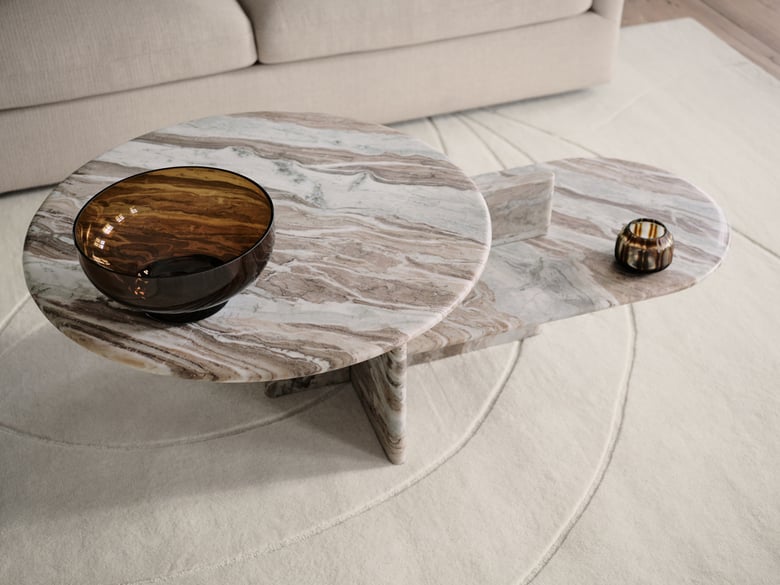
Milano coffee table
Texture elevates contemporary interiors
Texture has become one of the most powerful tools available to interior designers.
While colour palettes continue to favour soft neutrals and earthy tones, it's the variation in material finishes that creates richness within a space.
A marble coffee table against soft upholstery. Warm oak paired with woven detailing. Velvet sitting alongside natural timber.
These subtle contrasts create visual depth while maintaining a cohesive aesthetic.
The Milano coffee table demonstrates this beautifully. Crafted from genuine marble, each piece features unique veining that brings individuality to every setting. Its sculptural form and softened bullnose edges balance architectural precision with tactile appeal, creating a statement that feels elegant rather than overpowering.
Alongside it, the Terracina coffee table introduces the timeless character of travertine through an innovative lightweight construction, offering the appearance and texture of natural stone with greater flexibility for contemporary interior schemes.
Designing for longevity
Perhaps the greatest strength of warm minimalism is its ability to endure.
Natural materials age beautifully. Timeless forms remain relevant as trends evolve. Layered textures allow interiors to feel refined without becoming overly styled.
For developers and operators, this creates spaces that continue to appeal to residents, guests and buyers long after completion, helping maintain both aesthetic quality and long-term value.
Rather than designing around short-lived trends, warm minimalism focuses on creating environments that people genuinely enjoy spending time in.
And ultimately, that's what great interior design should achieve.
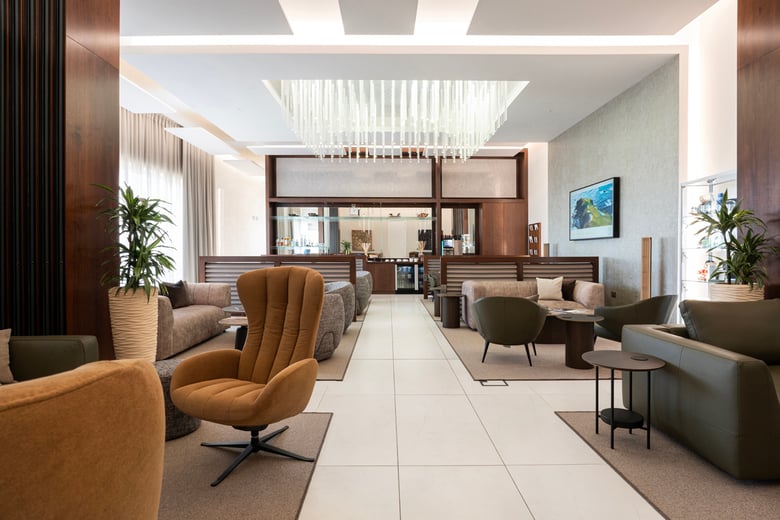
Harrods Aviation project featuring warm colours
We believe the most successful interiors are those that balance architectural clarity with warmth, materiality and human experience.
Whether specifying furniture for Build-to-Rent, hospitality, residential developments or workplace environments, layering natural materials, tactile finishes and sculptural forms creates spaces that not only look exceptional but leave a lasting impression on the people who use them.
As warm minimalism continues to shape contemporary interiors, thoughtful furniture specification will play an increasingly important role in creating environments that feel timeless, welcoming and designed for real life.
Apply for a trade account & get in touch
Becoming a BoConcept trade partner opens the door to exclusive benefits—from bespoke discounts and customisation options to a dedicated account manager and real-time project insights. Apply today and discover how we can support you every step of the way.
To learn more, visit our flagship showroom on Tottenham Court Road, call us on 020 7383 3226, or email tradeenquiries@boconcept.co.uk—our team will be happy to help.

STAY IN THE KNOW
Sign up for our newsletter today to get instant access to our most popular articles. You will be among the first trade professionals to learn about new products, collections, services, trends and events as they become available.