
Bringing the Outdoors In: Designing Interiors Connected to Nature
From natural materials and abundant daylight to tactile textures and indoor planting, discover how thoughtful design can create interiors that feel lighter, calmer and more connected to the world outside.
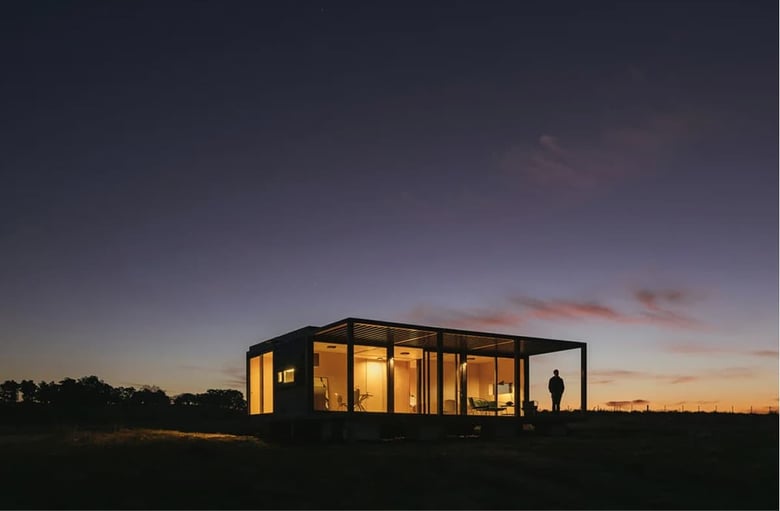
LAPS project
From natural materials and abundant daylight to tactile textures and indoor planting, discover how thoughtful design can create interiors that feel lighter, calmer and more connected to the world outside.
The relationship between our interiors and the natural world is becoming an increasingly important consideration in design. Rather than simply extending living spaces outdoors, designers are looking at how the principles of outdoor living can influence the spaces we spend most of our time in.
For residential developments, hospitality environments and private homes, this can mean using natural materials, maximising daylight, introducing tactile layers and creating visual connections with the landscape beyond. The result is not about replicating nature indoors, but creating interiors that feel connected to it.
1. Start with natural materials
Materials have a powerful role to play in how an interior feels. Timber, stone, ceramics and natural-looking textiles can introduce warmth and tactility, while helping a space feel grounded and connected to its surroundings.
At Laguna del Sauce (LAPS), the relationship between architecture, landscape and interior design is particularly clear. Set within an impressive natural landscape, the project uses natural materials and a considered palette inside and outside the property, with furniture selected to complement rather than compete with its surroundings.
The same principle can be seen at Mains of Carnousie in Scotland, created in collaboration with Annie Kenyon Developments. Inspired by the surrounding countryside, the interior combines soft greens, matt ash and natural oak to create a calm, organic palette. Clean lines and tactile textures bring a sense of Scandinavian simplicity, while carefully layered materials add warmth and character.
For designers and developers, using natural materials throughout a project can also create continuity, helping furniture, flooring, joinery and architectural details feel part of one cohesive environment.
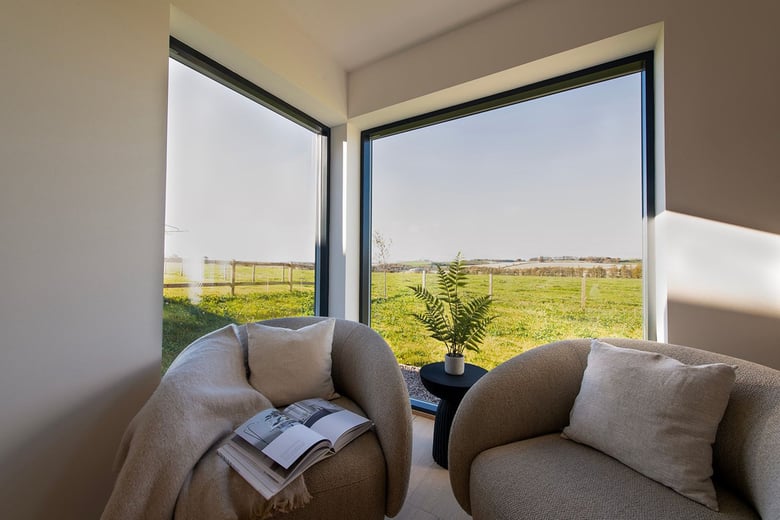
Mains of Carnousie project. Photo credited to Annie Kanyon Developments.
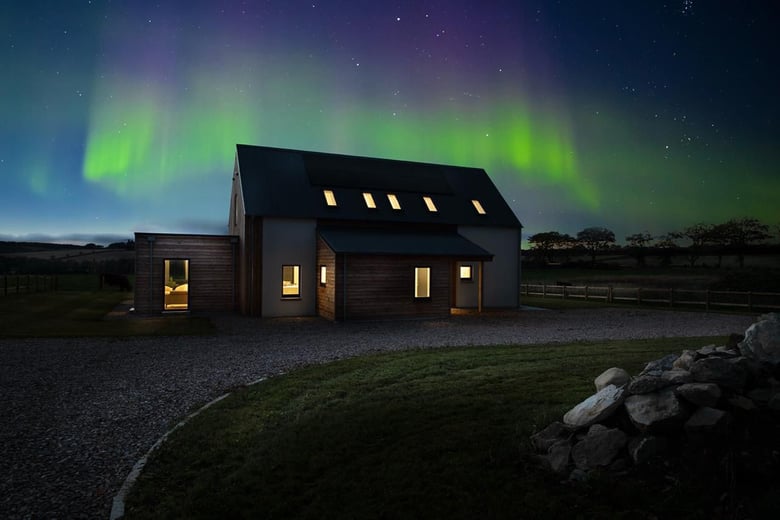
Mains of Carnousie project. Photo credited to Annie Kanyon Developments.
2. Let natural light lead the design
Natural light can completely change the character of an interior. Rather than treating windows simply as architectural features, successful projects use them to establish a visual relationship between the interior and the landscape beyond.
At Horndean in Scotland, a light-filled rural property opens onto extensive gardens, with floor-to-ceiling windows bringing the surrounding landscape and generous natural light deep into the interiors. Designer Paula Pacheco Lopez used a palette of natural tones and rich textures, with furniture in complementary natural finishes, creating spaces that feel comfortable, bright and closely connected to the setting.
Gledswood Hills in Sydney takes a similarly open approach. Large windows and vertical space allow abundant natural light into the home, strengthening the connection with the surrounding landscape. Soft neutrals are layered with natural stone, warm timber and tactile fabrics, with pieces including the Salamanca sofa, Indivi sofa, Santiago table and Bolzano armchair balancing comfort with contemporary form.
3. Use texture to create warmth and depth
Bringing the outdoors in doesn't mean every interior needs to be filled with plants or pale timber. Texture can be just as important in creating a sense of calm and connection to nature.
At Fulton & Fifth in Wembley Park, for Arada London, this comes through in a layered material palette. Boucle, velvet and softer upholstery across the sofas and armchairs create a sense of comfort, while natural dark oak adds warmth and structure. Ceramic table tops introduce another natural element while subtly reflecting the available light. Together, these details give the show apartment a tactile, calming quality that feels both contemporary and lived-in.
The Brompton Lounge at Harrods Aviation, Stansted, shows how the same principle can translate into a premium hospitality environment. Here, earthy sand, olive, camel and warm brown tones are combined with soft leather, plush velvet, chenille, wood and ceramic accents. Furniture including Bolzano, Bellagio, Tilburg, Bergamo, Santiago and Porto brings varied textures and forms into the lounges, creating a refined yet welcoming setting for travellers.
In both projects, texture does more than add visual interest. It softens the architecture, introduces warmth and creates a more inviting experience — demonstrating how carefully considered materials can influence the atmosphere of both residential and commercial spaces.
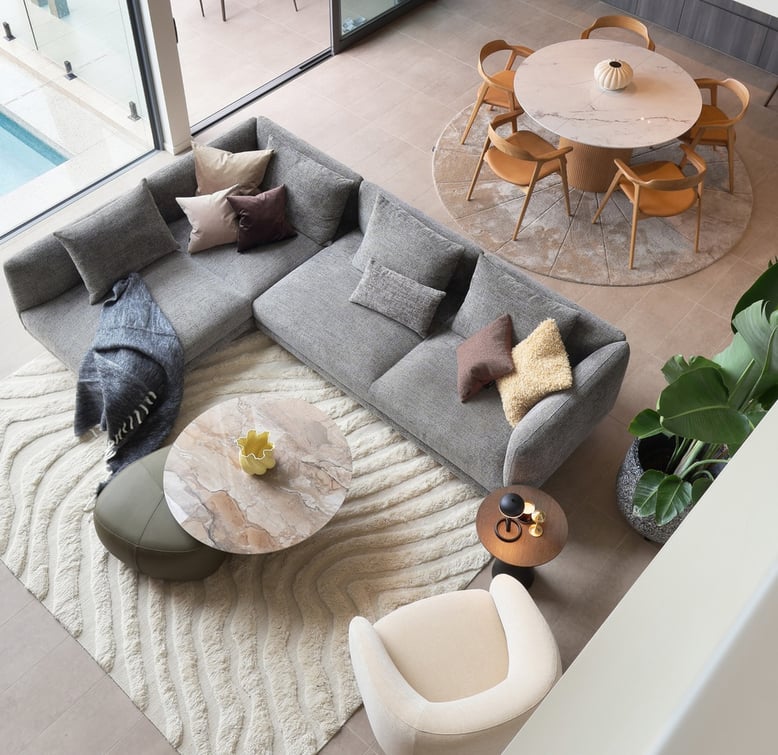
Gledwood Hills project
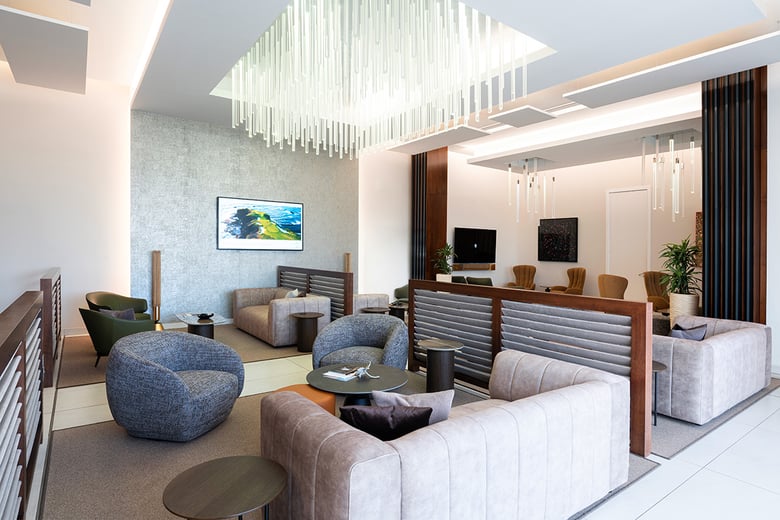
Harrods Aviation Lounge project in Stanstead
4. Create a visual connection with the landscape
Bringing the outdoors in is not only about the materials used inside a building. The relationship between an interior and its surroundings can be strengthened by framing views, opening sightlines and allowing the landscape to become part of the design.
LAPS demonstrates this particularly effectively. Its position within an impressive natural landscape is central to the experience of the retreat, with generous glazing and a covered terrace extending the living environment towards the lagoon.
Inside, the furniture is deliberately understated, using natural materials and colours that complement rather than compete with the wider setting.
This principle can be translated to projects in very different locations. In an urban development, it might mean positioning furniture to make the most of a landscaped courtyard or terrace. In a hotel, it could involve framing a garden or view from a guest room. In a private residence, large windows can turn the surrounding landscape into part of the interior palette.
The key is to consider the view beyond the room as another design element.
5. Bring nature into the details
The final layer can be as simple as introducing greenery and organic forms into an interior.
Indoor planting can soften architectural lines, introduce natural colour and create a stronger visual connection to the outdoors. Combined with timber, stone, ceramics and tactile fabrics, greenery can make an otherwise highly considered interior feel more relaxed and welcoming.
At Gledswood Hills, indoor plants sit alongside natural stone, timber and soft upholstery, reinforcing the home's connection to the landscape beyond the large windows. Rather than functioning as decoration alone, these natural elements become part of the overall material and colour story.
The same approach can be applied across commercial and residential projects. Planting can help soften shared amenity areas, break up large open-plan spaces or add life to hospitality and workplace environments.
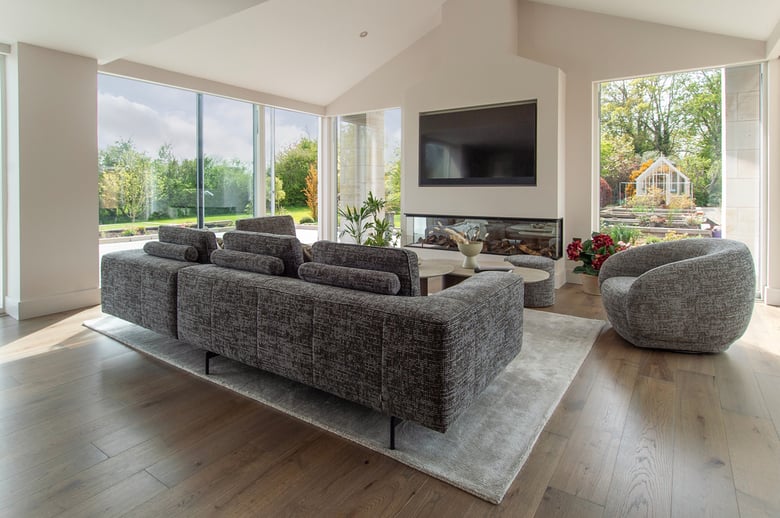
Horndean project
Bringing the outdoors in is ultimately less about a specific style and more about how different elements work together.
Natural materials can add warmth. Daylight can open up a space. Texture can create comfort and depth. Views can connect an interior to its surroundings, while planting and organic details can complete the relationship.
For architects, interior designers and developers, this offers an opportunity to create spaces that feel more considered, more welcoming and more connected to the environments around them.
Rather than simply bringing the outdoors inside, the most successful projects create a sense that the two were designed to belong together.
Apply for a trade account & get in touch
Becoming a BoConcept trade partner opens the door to exclusive benefits—from bespoke discounts and customisation options to a dedicated account manager and real-time project insights. Apply today and discover how we can support you every step of the way.
To learn more, visit our flagship showroom on Tottenham Court Road, call us on 020 7383 3226, or email tradeenquiries@boconcept.co.uk—our team will be happy to help.

STAY IN THE KNOW
Sign up for our newsletter today to get instant access to our most popular articles. You will be among the first trade professionals to learn about new products, collections, services, trends and events as they become available.